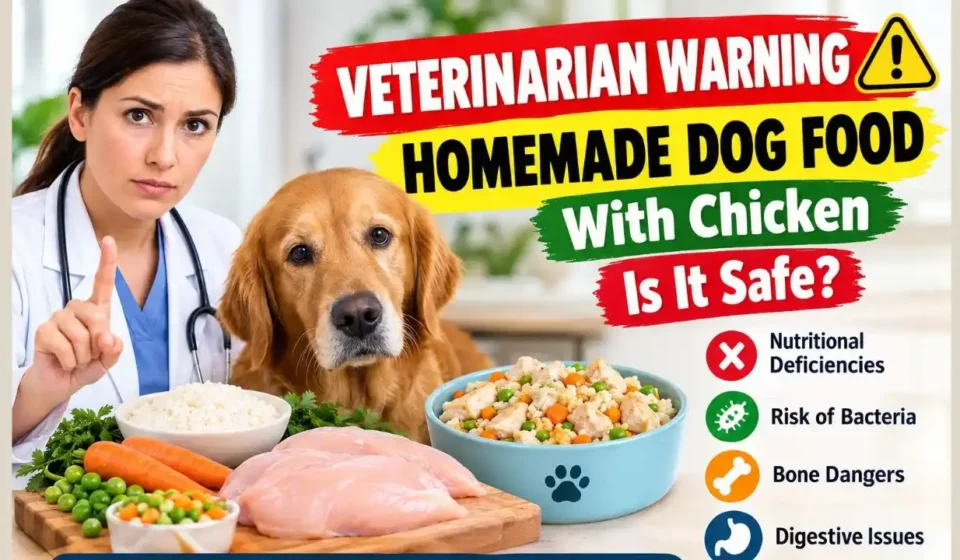

Homemade dog food has become popular among American pet owners who want to know exactly what goes into their dogs’ meals. Chicken, rice, carrots, and other familiar ingredients may seem like a healthier alternative to commercial dog food.
However, veterinarians warn that homemade dog food can become nutritionally incomplete when it is prepared without a properly formulated recipe. Even meals made with fresh chicken can lack essential vitamins, minerals, fatty acids, and other nutrients dogs need to stay healthy.
A 2025 report from Texas A&M University discussed research evaluating 1,726 homemade dog diets. Only 6% had the potential to be nutritionally complete based on the information available to researchers. The study did not verify every recipe through laboratory analysis, so this figure should not be interpreted as proof that exactly 94% of all homemade diets cause deficiencies. Nevertheless, it highlights a significant concern for dog owners.
Does this mean you should never feed your dog homemade chicken food? Not necessarily. Properly formulated home-cooked meals can be suitable for dogs, but the ingredients, quantities, supplements, and preparation methods matter.
In this guide, you’ll learn what veterinarians warn about, how to prepare chicken safely, which ingredients to avoid, and how to choose the right diet for your dog.
Why Are Veterinarians Warning About Homemade Dog Food?
The biggest concern is not simply that dog food is homemade. The problem is that many recipes are created without calculating a dog’s complete nutritional requirements.
Dogs need more than protein and carbohydrates. Their diets must provide appropriate amounts of essential amino acids, fats, vitamins, minerals, and energy.
A meal containing chicken and rice might look healthy, but looking healthy is not the same as being nutritionally complete.
According to the American Animal Hospital Association (AAHA), studies have found that most homemade pet food recipes evaluated have failed to provide complete and balanced nutrition. AAHA recommends working with a board-certified veterinary nutritionist when preparing a home-cooked diet.
1. Homemade Chicken Meals May Lack Calcium
Chicken meat contains protein, but ordinary boneless chicken does not supply enough calcium to make a complete long-term diet on its own.
Calcium is essential for bones, teeth, muscles, and normal body functions. Dogs also need an appropriate balance between calcium and phosphorus.
If a dog eats mostly boneless chicken over an extended period, an improper mineral balance can contribute to serious health problems. Growing puppies are particularly vulnerable because their bones are developing.
Veterinary tip: Never assume that adding chicken, rice, or vegetables automatically creates a balanced dog food recipe. Ask your veterinarian or a qualified veterinary nutritionist to formulate the diet.
2. Chicken and Rice May Not Provide Every Essential Nutrient
Chicken and rice are commonly associated with simple, temporary feeding plans for dogs with digestive upset. However, a basic chicken-and-rice mixture is not a complete long-term diet.
Depending on the ingredients and quantities, it may lack sufficient calcium, zinc, essential fatty acids, vitamin D, vitamin E, and other nutrients.
The precise deficiencies depend on the recipe. Adding random vegetables or a multivitamin does not necessarily correct the problem.
Cornell University College of Veterinary Medicine also warns against relying too heavily on chicken and rice as a regular diet.
3. Nutritional Problems Can Develop Gradually
One reason homemade dog food deserves careful attention is that a dog may appear healthy for a while even when its diet is deficient.
Over time, nutritional imbalances may contribute to poor coat quality, changes in body condition, weakness, or bone problems. The signs vary depending on the missing or excessive nutrients.
Pet owners should not wait for visible symptoms before reviewing a homemade diet. Regular veterinary checkups and a nutritionally appropriate feeding plan are safer approaches.
4. Raw or Undercooked Chicken Can Carry Harmful Bacteria
Another important veterinarian warning concerns food safety.
Raw chicken may carry bacteria such as Salmonella and Campylobacter. These organisms can make pets or people sick, and contaminated food can spread bacteria through bowls, countertops, hands, and other kitchen surfaces.
The American Veterinary Medical Association discourages feeding dogs raw or undercooked animal-source proteins because of the associated risks.
Cook chicken thoroughly, wash your hands and food-preparation surfaces, and refrigerate leftovers promptly.
Is Homemade Chicken Dog Food Safe?
Yes, plain, thoroughly cooked chicken can be safe for many dogs when served appropriately. The important distinction is whether chicken is an occasional addition to a complete diet or the main ingredient in every meal.
| Type of chicken food | Is it appropriate? | Important consideration |
|---|---|---|
| Plain cooked, boneless chicken | Generally safe for most dogs | Serve in suitable portions |
| Chicken mixed with plain rice | May be suitable temporarily when advised by a vet | Not nutritionally complete for long-term feeding |
| Chicken with onion or garlic seasoning | Unsafe | Onion and garlic can be toxic to dogs |
| Raw chicken | Not recommended | Foodborne pathogen risks |
| Cooked chicken bones | Unsafe | Bones can splinter and cause injuries or blockages |
| A complete home-cooked chicken recipe | Can be suitable | Must be properly formulated and followed exactly |
Individual dogs may have allergies, digestive sensitivities, or medical conditions that affect what they can eat. Ask your veterinarian before making major dietary changes.
How to Prepare Chicken for Dogs Safely
If your veterinarian says chicken is appropriate for your dog, follow these basic food-safety steps.
Step 1: Choose Plain Chicken
Select fresh chicken without marinades, sauces, or seasoning blends. Boneless chicken breast is a convenient option, although other cuts may be appropriate depending on the dog’s needs and the recipe.
Step 2: Cook the Chicken Thoroughly
Boil, bake, or otherwise cook the chicken until its internal temperature reaches 165°F (74°C). Use a food thermometer to check the thickest part.
Do not serve raw or undercooked poultry.
Step 3: Remove Every Bone
Check carefully for bones before serving. Never feed cooked chicken bones, which can splinter and injure the digestive tract.
Step 4: Avoid Harmful Seasonings
Do not add onion, garlic, excessive salt, butter, or rich sauces. Plain chicken is a safer choice than seasoned human food.
Step 5: Serve an Appropriate Portion
The amount depends on your dog’s size, age, activity, health, and total daily calorie intake.
Chicken intended as an occasional treat should not displace too much of a complete and balanced diet. If chicken is part of a full home-cooked diet, follow the exact quantities in the veterinarian-approved recipe.
Step 6: Store Leftovers Properly
Refrigerate cooked chicken promptly in a clean, covered container. Discard food that has been left out too long or shows signs of spoilage. Keep raw poultry separate from ready-to-eat foods and clean all surfaces thoroughly.
What Ingredients Should You Avoid in Homemade Dog Food?
Not every ingredient suitable for humans is safe for dogs. Some can cause poisoning, while others can make a meal too rich or nutritionally inappropriate.
| Ingredient | Why to avoid it |
|---|---|
| Onion and garlic | Can damage red blood cells |
| Grapes and raisins | Can cause kidney injury |
| Chocolate | Contains substances toxic to dogs |
| Xylitol | Can cause dangerous low blood sugar and liver injury |
| Cooked bones | Can splinter and injure the digestive tract |
| Excessive salt | Can be harmful in sufficient amounts |
| Greasy skin, drippings, and rich sauces | May upset digestion and add excessive fat |
| Raw or undercooked chicken | May carry harmful bacteria |
Keep toxic foods out of your dog’s reach. If your dog eats a potentially toxic ingredient, contact your veterinarian or an animal poison control service promptly rather than waiting for symptoms.
What Does a Balanced Homemade Dog Food Diet Need?
A complete diet must provide all essential nutrients in appropriate amounts and proportions. Simply combining several healthy ingredients does not guarantee that these requirements are met.
Protein
Protein supplies amino acids needed for muscles, tissues, immune function, and normal growth. Chicken is one possible protein source, but the total amount and overall nutrient balance still matter.
Healthy Fats
Dietary fats provide energy and essential fatty acids. Dogs need appropriate amounts, not simply as little fat as possible. The right level depends on the dog’s condition and nutritional needs.
Carbohydrates and Fiber
Ingredients such as rice or certain vegetables can contribute energy and fiber. They should be included in the quantities specified by the recipe rather than added randomly.
Vitamins and Minerals
Dogs need numerous vitamins and minerals, including calcium, phosphorus, zinc, and vitamins D and E. A recipe may require a specific supplement to meet these needs.
Do not substitute a generic human multivitamin or improvise supplement quantities. Too little or too much of particular nutrients can be harmful.
Water and Calories
Fresh drinking water should always be available. Meals must also supply an appropriate number of calories to maintain a healthy body weight.
A balanced recipe should account for the dog’s age, weight, activity level, life stage, and medical history.
Homemade Dog Food vs. Commercial Dog Food
Both home-cooked and commercial diets can be appropriate. The best option depends on nutritional adequacy, your dog’s health, your budget, and your ability to prepare meals consistently.
| Feature | Homemade dog food | Complete commercial dog food |
|---|---|---|
| Ingredient selection | Greater control over ingredients | Ingredients are selected by the manufacturer |
| Nutritional balance | Requires a properly formulated recipe | Look for a complete-and-balanced nutritional adequacy statement |
| Preparation | Requires cooking, measuring, and storage | Usually more convenient |
| Special dietary needs | Can be tailored by a veterinary nutritionist | Veterinary therapeutic options may be available |
| Common risk | Missing nutrients or changing the recipe | Choosing an unsuitable product or feeding incorrect portions |
| Long-term management | Requires consistency and monitoring | Generally easier to feed consistently |
Commercial food is not automatically perfect for every dog, and homemade food is not automatically healthier. The priority is choosing a diet that meets your dog’s needs.
In the United States, check the food label for a nutritional adequacy statement indicating that the product is complete and balanced for the relevant life stage. Consult your veterinarian if you are unsure how to interpret it.
Is Homemade Chicken Food Safe for Puppies?
Puppies require particular care because they are growing rapidly and need carefully balanced amounts of energy, protein, calcium, phosphorus, and other nutrients.
A homemade mixture of chicken and rice should not be used as a puppy’s regular diet unless a veterinary nutritionist has formulated it to meet the puppy’s specific growth requirements.
Nutritional mistakes during development can have serious consequences, particularly for skeletal growth.
For most owners, a complete diet formulated for the puppy’s appropriate growth stage is the simpler option. If you prefer home cooking, seek professional nutritional guidance before starting.
When Should You Contact a Veterinarian?
Speak with a veterinarian before switching to a homemade diet, particularly if your dog is a puppy, is pregnant or nursing, is elderly, has a chronic medical condition, or needs a therapeutic diet.
Seek prompt veterinary advice if your dog develops persistent vomiting, diarrhea, appetite loss, unusual weakness, weight loss, or other concerning symptoms after a dietary change.
A veterinarian may review your dog’s current food, body condition, health history, and feeding routine. Depending on the situation, they may recommend diagnostic testing or a consultation with a board-certified veterinary nutritionist.
Do not assume that every digestive problem can be solved by switching to chicken and rice. Symptoms may have causes that require specific treatment.
How to Choose a Vet-Approved Homemade Dog Food Recipe
Before following a recipe from a website, social media post, or video, ask these questions:
- Was it formulated by a board-certified veterinary nutritionist or another appropriately qualified animal nutrition professional?
- Does it specify exact ingredient quantities and preparation methods?
- Does it include the appropriate vitamin and mineral supplementation?
- Is it designed for your dog’s life stage and medical needs?
- Does it explain how much to feed each day?
- Can you follow the recipe consistently without substitutions?
If the recipe cannot answer these questions, do not assume it is suitable for long-term feeding.
A veterinary nutritionist can formulate a diet around your dog’s needs and explain how to prepare, portion, and store it. Follow-up reviews are important because your dog’s needs can change over time.
Homemade Dog Food F.A.Q.
1. Why do veterinarians warn about homemade dog food?
Veterinarians warn that many homemade recipes do not contain the correct balance of essential nutrients. Dogs need more than meat and rice, and long-term nutritional deficiencies can harm their health.
2. Can dogs eat homemade chicken and rice every day?
Plain chicken and rice may be appropriate for short-term feeding when a veterinarian recommends it, but the mixture is not nutritionally complete for long-term feeding. Ask your veterinarian about a balanced diet for your dog.
3. Is boiled chicken safe for dogs?
Yes, plain, thoroughly cooked, boneless chicken is generally safe for most dogs in appropriate portions. Avoid onion, garlic, heavy seasoning, and cooked bones.
4. What is the healthiest homemade food for dogs?
There is no single homemade recipe that is best for every dog. A suitable recipe should be formulated for your dog’s age, size, activity, and health needs by a qualified veterinary nutritionist.
5. Can homemade dog food cause nutritional deficiencies?
Yes. Homemade meals that lack essential vitamins, minerals, fats, or other nutrients can cause deficiencies over time. Following a professionally formulated recipe and attending regular veterinary checkups can reduce these risks.
Conclusion
The veterinarian warning about homemade dog food is worth taking seriously, especially when chicken and rice are used as the main ingredients for every meal.
Chicken can provide valuable protein, but it does not supply everything a dog needs for a healthy life. Raw poultry introduces food-safety risks, cooked bones can cause injuries, and poorly balanced homemade meals can lead to nutritional deficiencies.
The safest approach is straightforward: feed a complete and balanced commercial diet or work with a qualified veterinary nutritionist to develop a suitable home-cooked plan. Follow the recipe precisely, use safe food-handling practices, and discuss dietary changes with your veterinarian.
Also read:-