Dogs are more than pets. They are beloved members of our families, and keeping them healthy is an important responsibility for every dog owner. However, dogs can experience various health problems throughout their lives, from minor skin irritations and digestive upset to serious diseases that require immediate veterinary care.
Understanding dog health problems and solutions can help you recognize early warning signs, provide appropriate care at home, and know when professional treatment is necessary.
Some conditions, such as mild digestive upset, may improve with supportive care. Others, including heartworm disease, parvovirus, kidney disease, and certain cancers, can become life-threatening without proper treatment.
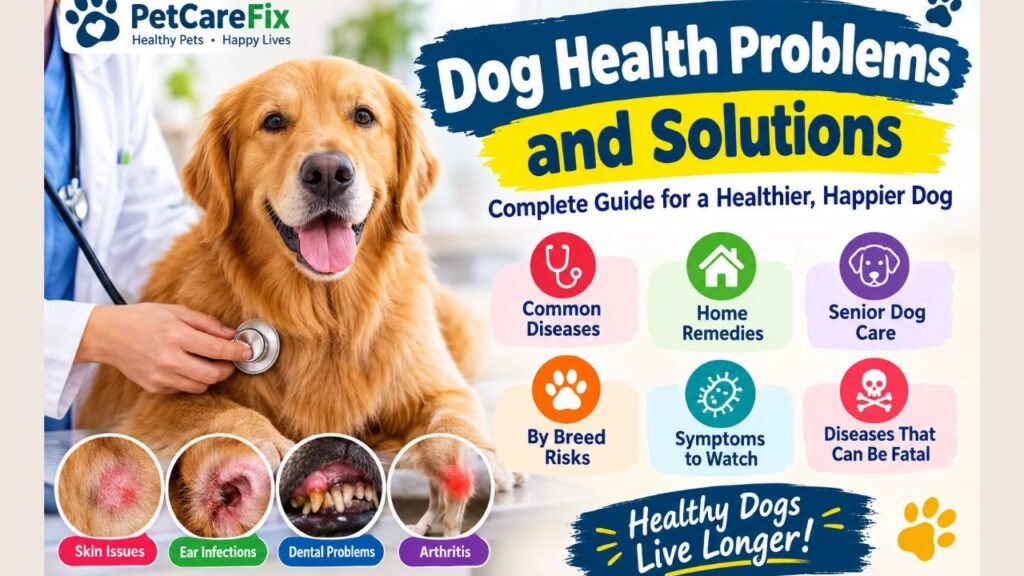
In this guide, you’ll learn about common dog diseases, their symptoms, safe home-care practices, health problems affecting older dogs, and breed-specific risks.
1. What Are the Most Common Dog Health Problems?
Dogs can develop health problems because of infections, parasites, genetics, aging, poor dental hygiene, allergies, nutritional issues, or environmental factors.
Some problems are relatively common and manageable, while others require urgent medical attention.
The following table summarizes common dog health problems and their possible solutions.
Common Dog Health Problems and Solutions Table
| Dog Health Problem | Common Symptoms | Possible Solution |
|---|---|---|
| Skin allergies | Itching, redness, scratching | Veterinary assessment and appropriate allergy treatment |
| Ear infections | Head shaking, odor, ear discharge | Veterinary examination and prescribed ear medication |
| Vomiting | Nausea, vomiting, reduced appetite | Identify the cause; seek veterinary advice |
| Diarrhea | Loose or watery stools | Maintain access to water and seek advice if persistent |
| Dental disease | Bad breath, bleeding gums | Toothbrushing and professional dental care |
| Arthritis | Stiffness, limping, difficulty standing | Veterinary pain management and weight control |
| Obesity | Excess body fat, reduced stamina | Appropriate diet and exercise plan |
| Heartworm disease | Coughing, fatigue, breathing problems | Veterinary testing and treatment |
| Kidney disease | Increased thirst, frequent urination | Veterinary diagnosis and condition-specific management |
| Diabetes | Excessive thirst, increased urination, weight changes | Veterinary testing, prescribed treatment, and monitoring |
Symptoms can overlap between diseases. A veterinarian must determine the underlying cause before recommending appropriate treatment.
2. Dog Health Issues Symptoms: Warning Signs to Watch For
Dogs cannot explain when they feel unwell, so owners must pay attention to changes in behavior, appetite, movement, and bathroom habits.
Recognizing dog health issues symptoms early can make a significant difference in treatment outcomes.
Common Symptoms of Illness in Dogs
Watch for these warning signs:
- Loss of appetite: Your dog refuses food or eats noticeably less.
- Excessive thirst: Your dog drinks more water than usual.
- Frequent urination: Your dog needs to urinate more often or has accidents indoors.
- Vomiting or diarrhea: Digestive problems may result from dietary changes, infections, parasites, or other illnesses.
- Persistent coughing: Coughing can indicate respiratory disease, heart problems, or other conditions.
- Excessive scratching: Fleas, mites, allergies, and skin infections can cause itching.
- Limping or stiffness: Joint problems, injuries, and arthritis can affect movement.
- Unusual tiredness: A sick dog may sleep more, avoid playing, or seem weak.
- Sudden weight changes: Unexpected weight loss or gain may indicate an underlying health condition.
- Behavior changes: Hiding, irritability, confusion, or unusual aggression may signal pain or illness.
When Should You Call a Veterinarian?
Contact your veterinarian promptly if symptoms persist, worsen, or repeatedly return.
Seek emergency veterinary care immediately if your dog experiences:
- Difficulty breathing or blue, gray, or very pale gums.
- Collapse, unconsciousness, or severe weakness.
- Repeated seizures.
- A swollen abdomen with unsuccessful attempts to vomit.
- Heavy bleeding or major trauma.
- Suspected poisoning.
- Inability to urinate, particularly with repeated straining.
- Severe vomiting or diarrhea accompanied by weakness or blood.
Do not wait for symptoms to disappear when your dog appears seriously ill.
3. Dog Health Problems and Solutions: Home Remedies
Many dog owners search for dog health problems and solutions home remedies because they want to help their pets feel comfortable at home.
Home care can support recovery in certain situations, but it is important to distinguish safe supportive measures from unproven treatments.
A. Mild Digestive Upset
Vomiting and diarrhea can occur after dietary changes, eating inappropriate food, or developing an illness.
What you can do:
- Keep fresh, clean water available.
- Prevent access to garbage, spoiled food, and table scraps.
- Monitor your dog’s appetite, energy, and bathroom habits.
- Contact your veterinarian for guidance before changing the diet or withholding food.
Do not assume that vomiting is harmless. Puppies, senior dogs, and dogs with existing medical conditions can become dehydrated quickly.
Repeated vomiting, bloody diarrhea, severe abdominal pain, or weakness requires prompt veterinary assessment.
B. Mild Skin Irritation
Skin irritation may result from environmental allergens, fleas, or contact with irritating substances.
Safe home care:
- Inspect your dog’s skin and coat for visible parasites or injuries.
- Wash the coat with a veterinarian-recommended dog shampoo when appropriate.
- Keep bedding clean and dry.
- Prevent excessive licking or scratching if possible.
Persistent itching, open sores, hair loss, swelling, or an unpleasant skin odor should be evaluated by a veterinarian.
Never apply essential oils, alcohol, or human medicated creams without veterinary guidance.
C. Minor Paw Irritation
Dogs can develop irritated paws after walking on rough surfaces, encountering allergens, or picking up small pieces of debris.
You can gently rinse a mildly irritated paw with clean, lukewarm water and inspect it for visible debris.
Do not pull out deeply embedded objects or apply household chemicals.
If your dog cannot bear weight, has significant swelling, or has a deep cut, seek veterinary care.
D. Supporting Joint Comfort
Older dogs may experience stiffness and difficulty climbing stairs because of arthritis or other mobility problems.
Helpful adjustments include:
- Providing supportive bedding.
- Using nonslip rugs on slippery floors.
- Installing pet ramps where appropriate.
- Offering short, gentle walks suited to your dog’s condition.
- Maintaining a healthy body weight.
These changes can improve comfort but do not replace veterinary pain management.
Never give your dog human painkillers such as ibuprofen or naproxen unless a veterinarian specifically directs you to do so. These medications can cause serious toxicity.
4. Older Dog Health Problems and Solutions
As dogs age, their bodies change, and their risk of developing chronic diseases increases. However, aging does not automatically mean a dog must live with pain or discomfort.
The age at which a dog becomes a senior varies by size and breed. Large and giant breeds often enter their senior years earlier than small breeds.
According to veterinary guidance from the American Animal Hospital Association, senior pets benefit from regular examinations and appropriate screening tests to identify problems before they become advanced.
Common Senior Dog Health Problems
1. Arthritis
Arthritis affects the joints and can make movement painful.
Symptoms:
- Difficulty getting up after sleeping.
- Limping or stiffness.
- Reluctance to climb stairs.
- Reduced interest in playing.
- Difficulty jumping into a vehicle.
Solutions: A veterinarian may recommend weight management, prescription pain relief, rehabilitation, or other treatments based on the dog’s condition.
2. Kidney Disease
Kidney disease can develop gradually and may initially cause subtle symptoms.
Symptoms:
- Increased thirst.
- More frequent urination.
- Reduced appetite.
- Weight loss.
- Vomiting or lethargy.
Solutions: Veterinary testing may include blood work and urine analysis. Treatment depends on the cause and severity and may involve dietary changes, medication, and fluid support.
3. Dental Disease
Dental disease is common in older dogs and can cause substantial discomfort.
Symptoms:
- Persistent bad breath.
- Red or bleeding gums.
- Difficulty chewing.
- Dropping food.
- Facial sensitivity.
Solutions: Regular toothbrushing with dog-safe toothpaste and professional dental examinations can help protect oral health.
4. Cognitive Dysfunction
Some older dogs develop age-related cognitive changes.
Symptoms:
- Confusion or disorientation.
- Pacing at night.
- Changes in sleeping patterns.
- House-training accidents.
- Increased anxiety.
Solutions: Maintain predictable routines, provide gentle mental stimulation, and consult a veterinarian to rule out other causes and discuss treatment options.
5. Cancer
Cancer becomes more common with age, although it can affect dogs of any age.
Symptoms:
- New or changing lumps.
- Unexplained weight loss.
- Persistent wounds.
- Reduced appetite.
- Unusual swelling.
Solutions: Have new or changing lumps examined. Depending on the diagnosis, treatment may include surgery, medication, chemotherapy, or palliative care.
How to Care for an Older Dog at Home
To support a senior dog’s quality of life:
- Schedule veterinary wellness examinations approximately every six months, or as recommended.
- Feed a balanced diet appropriate for the dog’s health and activity level.
- Maintain gentle, regular exercise.
- Provide comfortable bedding and easy access to water.
- Monitor weight, appetite, thirst, urination, and mobility.
- Brush teeth regularly and arrange professional dental care when needed.
Do not dismiss sudden behavioral changes, weight loss, or increased thirst as normal aging.
5. Dog Health Problems by Breed
Some breeds have a higher risk of particular inherited or structural conditions. However, not every dog of a particular breed will develop these problems.
Understanding dog health problems by breed can help owners discuss appropriate screening and preventive care with their veterinarians.
| Dog Breed | Potential Health Concerns | Helpful Preventive Steps |
|---|---|---|
| Labrador Retriever | Hip and elbow dysplasia, obesity | Maintain a healthy weight and discuss joint screening |
| German Shepherd | Hip dysplasia, degenerative myelopathy | Appropriate exercise and recommended health screening |
| Bulldog | Breathing difficulties, skin-fold infections | Maintain a healthy weight and keep skin folds clean and dry |
| Golden Retriever | Certain cancers, hip and elbow dysplasia | Routine examinations and prompt assessment of unusual lumps |
| Dachshund | Intervertebral disc disease | Maintain a healthy weight and reduce repeated high-impact jumping |
| Cavalier King Charles Spaniel | Mitral valve disease | Regular veterinary examinations and appropriate heart screening |
| Poodle | Certain eye conditions and other inherited disorders | Breed-appropriate eye examinations and health testing |
| Great Dane | Gastric dilatation-volvulus, heart disease | Discuss bloat prevention and breed-appropriate screening with a veterinarian |
How to Reduce Breed-Related Health Risks
Although genetics cannot always be changed, responsible care can reduce certain risks.
- Choose a responsible breeder who performs appropriate health testing.
- Maintain a healthy weight.
- Provide regular exercise suited to the breed.
- Follow recommended vaccination and parasite-prevention schedules.
- Ask your veterinarian about breed-specific screening.
- Seek medical advice when you notice unusual symptoms.
Researching your dog’s breed can help you prepare, but individual veterinary care remains essential.
6. List of Dog Diseases With Pictures: Conditions to Recognize
If you are searching for a list of dog diseases with pictures, visual references can help you understand what certain conditions may look like.
However, photographs alone cannot confirm a diagnosis. Many diseases cause similar visible signs, and some serious illnesses have no obvious external symptoms.
For your PetCareFix article, consider adding veterinary-reviewed photographs or illustrations for these conditions:
1. Canine Parvovirus
Possible visual signs: Vomiting, diarrhea, dehydration, and a visibly unwell puppy.
Parvovirus is a contagious disease that can be fatal, particularly in puppies and unvaccinated dogs. Bloody diarrhea may occur, but its absence does not rule out infection.
What to do: Contact a veterinarian immediately if parvovirus is suspected. Keep the dog away from other dogs while following veterinary instructions.
2. Heartworm Disease
Possible visual signs: A dog may appear normal early on. Advanced disease can cause coughing, exercise intolerance, breathing difficulties, or abdominal swelling.
Heartworms are transmitted through mosquito bites and can cause serious damage to the heart and lungs.
What to do: Follow veterinary recommendations for testing, prevention, and treatment.
3. Mange
Possible visual signs: Hair loss, crusting, red skin, and intense itching.
Mange is caused by mites, and different forms require different treatments.
What to do: Arrange a veterinary examination rather than assuming that all itching is caused by mites.
4. Ear Infection
Possible visual signs: Redness, discharge, or swelling around the ear opening.
Other signs include head shaking, scratching, and an unpleasant odor.
What to do: Have the ear examined. Avoid inserting cotton swabs deeply into the ear canal or using unprescribed ear drops.
5. Dental Disease
Possible visual signs: Tartar buildup, red gums, and visibly damaged teeth.
Bad breath and difficulty chewing may also occur.
What to do: Arrange a dental examination and establish an appropriate oral-care routine.
6. Skin Allergies
Possible visual signs: Redness, irritated skin, hair loss, and frequent scratching.
Allergies can resemble parasitic infestations or bacterial and yeast infections.
What to do: Ask your veterinarian to identify the cause and recommend appropriate treatment.
Image SEO tip: Give each image descriptive alt text, such as “dog with veterinary-diagnosed skin allergies.” Only use a diagnosis in the alt text when it is confirmed or clearly identified in the image caption.
7. Common Dog Diseases That Can Cause Death
Some dog diseases can become fatal if they are not prevented or treated promptly. Recognizing warning signs and arranging appropriate veterinary care can improve the chances of survival.
The following conditions deserve particular attention.
Parvovirus
Parvovirus attacks the digestive system and can cause severe vomiting, diarrhea, dehydration, and dangerous complications.
Prevention: Keep vaccinations up to date and follow your veterinarian’s guidance on protecting puppies.
Heartworm Disease
Heartworm disease can damage the heart, lungs, and associated blood vessels.
Prevention: Use veterinarian-recommended heartworm prevention and follow the recommended testing schedule.
Rabies
Rabies is a fatal viral disease that can affect the nervous system and can spread to people through infected animal bites or saliva entering broken skin or mucous membranes.
Prevention: Maintain legally required rabies vaccination and avoid contact with unfamiliar or potentially rabid animals.
If your dog bites someone or may have been exposed to rabies, contact a veterinarian and local public health authorities promptly.
Gastric Dilatation-Volvulus (Bloat)
Bloat occurs when the stomach expands and may twist, restricting blood flow and causing shock.
It is particularly concerning in large, deep-chested dogs.
Warning signs:
- A rapidly swollen abdomen.
- Repeated attempts to vomit without producing anything.
- Restlessness.
- Excessive drooling.
- Weakness or collapse.
What to do: Seek emergency veterinary care immediately. Do not wait for symptoms to improve.
Leptospirosis
Leptospirosis is a bacterial infection that can damage the kidneys and liver. Dogs may become infected through exposure to contaminated water or environments.
The disease can also spread to humans.
Prevention: Discuss vaccination, rodent control, and avoiding potentially contaminated water with your veterinarian.
Severe Tick-Borne Diseases
Certain tick-borne infections can cause fever, weakness, anemia, bleeding abnormalities, or organ complications.
Prevention: Use veterinarian-recommended tick prevention and check your dog’s coat after outdoor activities.
Can Cancer Cause Death in Dogs?
Yes. Some cancers can become life-threatening, depending on their type, location, and stage.
New lumps, unexplained weight loss, persistent wounds, or unusual swelling should be evaluated rather than monitored indefinitely at home.
Remember: Not every symptom indicates a fatal disease. Prompt veterinary evaluation is the safest way to identify serious conditions and begin appropriate treatment.
8. How to Prevent Common Dog Health Problems
Preventive care can help reduce the risk of many illnesses and identify problems earlier.
Feed a Balanced Diet
Choose a complete and balanced dog food appropriate for your dog’s age, size, and health needs.
Avoid feeding foods that are toxic to dogs, including chocolate, grapes, raisins, onions, garlic, and products containing xylitol.
Ask your veterinarian before adding supplements or preparing homemade meals as a regular diet.
Maintain a Healthy Weight
Excess weight can worsen joint problems and contribute to other health complications.
Measure food portions, limit excessive treats, and establish an exercise routine suited to your dog.
Keep Vaccinations Updated
Vaccines protect against important infectious diseases. Your veterinarian can recommend a schedule based on age, lifestyle, location, and exposure risk.
Practice Dental Care
Brush your dog’s teeth with dog-safe toothpaste. Regular dental examinations can help identify gum disease and painful dental problems.
Prevent Fleas, Ticks, and Heartworms
Use appropriate preventive products recommended by your veterinarian. The correct product and schedule depend on your dog’s health, location, and exposure risk.
Schedule Regular Veterinary Visits
Routine examinations can identify health changes before they become obvious.
Senior dogs and dogs with chronic medical conditions may need more frequent visits and laboratory testing.
9. When Can You Treat a Dog at Home, and When Is a Vet Necessary?
Knowing when to seek professional care is an important part of responsible dog ownership.
| Situation | Recommended Action |
|---|---|
| Mild, brief paw irritation without injury | Gently rinse and monitor; seek advice if it persists |
| Occasional soft stool in an otherwise healthy adult dog | Monitor closely and contact your veterinarian for guidance |
| Repeated vomiting | Seek prompt veterinary advice |
| Bloody diarrhea | Obtain urgent veterinary assessment |
| Persistent scratching or hair loss | Arrange a veterinary examination |
| Limping that persists or worsens | Contact your veterinarian |
| Sudden inability to urinate | Seek emergency veterinary care |
| Difficulty breathing | Seek emergency veterinary care immediately |
| Suspected poisoning | Contact an emergency veterinarian or animal poison-control service immediately |
| Swollen abdomen with unsuccessful retching | Seek emergency veterinary care immediately |
Avoid giving human medications, inducing vomiting, or using unverified remedies unless specifically instructed by a veterinary professional.
Frequently Asked Questions (FAQs) Dog Health Problems and Solutions
1. What Are the Most Common Health Problems in Dogs?
Common problems include dental disease, ear infections, skin allergies, obesity, digestive upset, parasites, and arthritis. Older dogs may also develop kidney disease, heart disease, diabetes, and cancer.
The risks vary with age, breed, lifestyle, and individual health.
2. What Are Some Dog Health Problems and Solutions Home Remedies?
Safe supportive care may include providing fresh water, gently rinsing a mildly irritated paw, keeping bedding clean, and offering a comfortable resting area.
However, home care cannot treat every condition. Persistent symptoms, severe pain, repeated vomiting, or other warning signs require veterinary attention.
3. What Are the Most Common Senior Dog Health Problems?
Senior dogs commonly experience arthritis, dental disease, obesity, kidney disease, heart disease, vision or hearing changes, and cognitive dysfunction.
Regular veterinary examinations can help detect these problems and support a better quality of life.
4. Which Dog Diseases Can Be Fatal?
Potentially fatal diseases and conditions include rabies, parvovirus, severe heartworm disease, certain cancers, leptospirosis, and gastric dilatation-volvulus.
Vaccination, preventive care, early diagnosis, and timely treatment can reduce risks associated with many of these conditions.
5. How Can I Tell if My Dog Is Seriously Sick?
Warning signs include difficulty breathing, collapse, seizures, a swollen abdomen with unsuccessful retching, suspected poisoning, severe bleeding, or an inability to urinate.
These symptoms require emergency veterinary assessment.
Conclusion
Understanding dog health problems and solutions helps you make informed decisions about your pet’s daily care, preventive health, and medical needs.
Common problems such as skin irritation, ear infections, dental disease, and obesity may be manageable with appropriate veterinary guidance and consistent home care. Senior dogs require additional attention because arthritis, kidney disease, heart disease, and other chronic conditions become more common with age.
Learning about dog health problems by breed can also help you recognize potential risks and discuss preventive screening with your veterinarian.
Most importantly, never rely on home remedies alone when your dog has serious or persistent symptoms. Early veterinary care, a balanced diet, regular exercise, vaccinations, and preventive treatments can help your dog enjoy a healthier and more comfortable life.
Also read:-